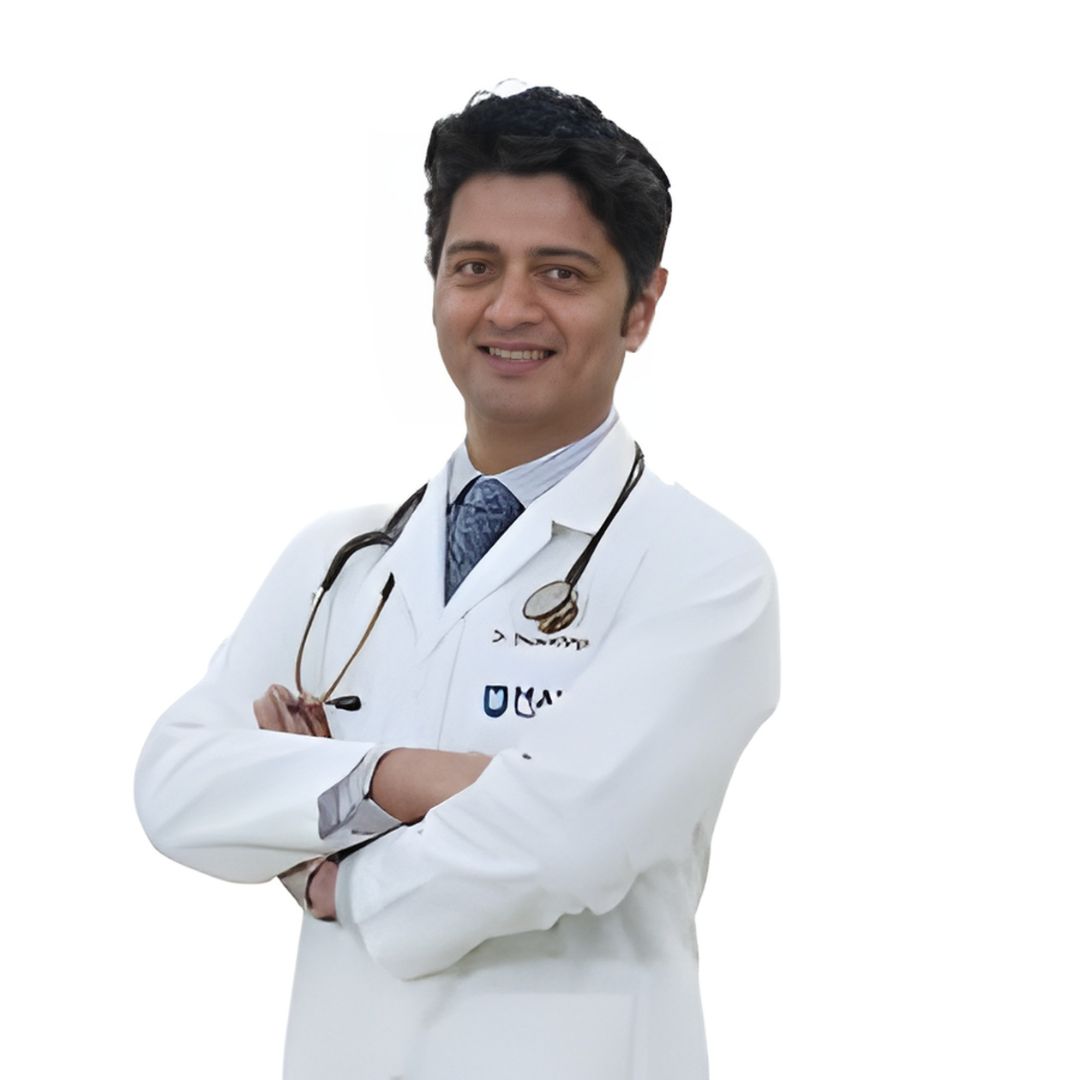
Dr. Varindera Paul Singh
Chairman, Institute of Neurosciences
42 years of overall experience
Works at Medanta - The Medicity, Gurgaon
Follow Me
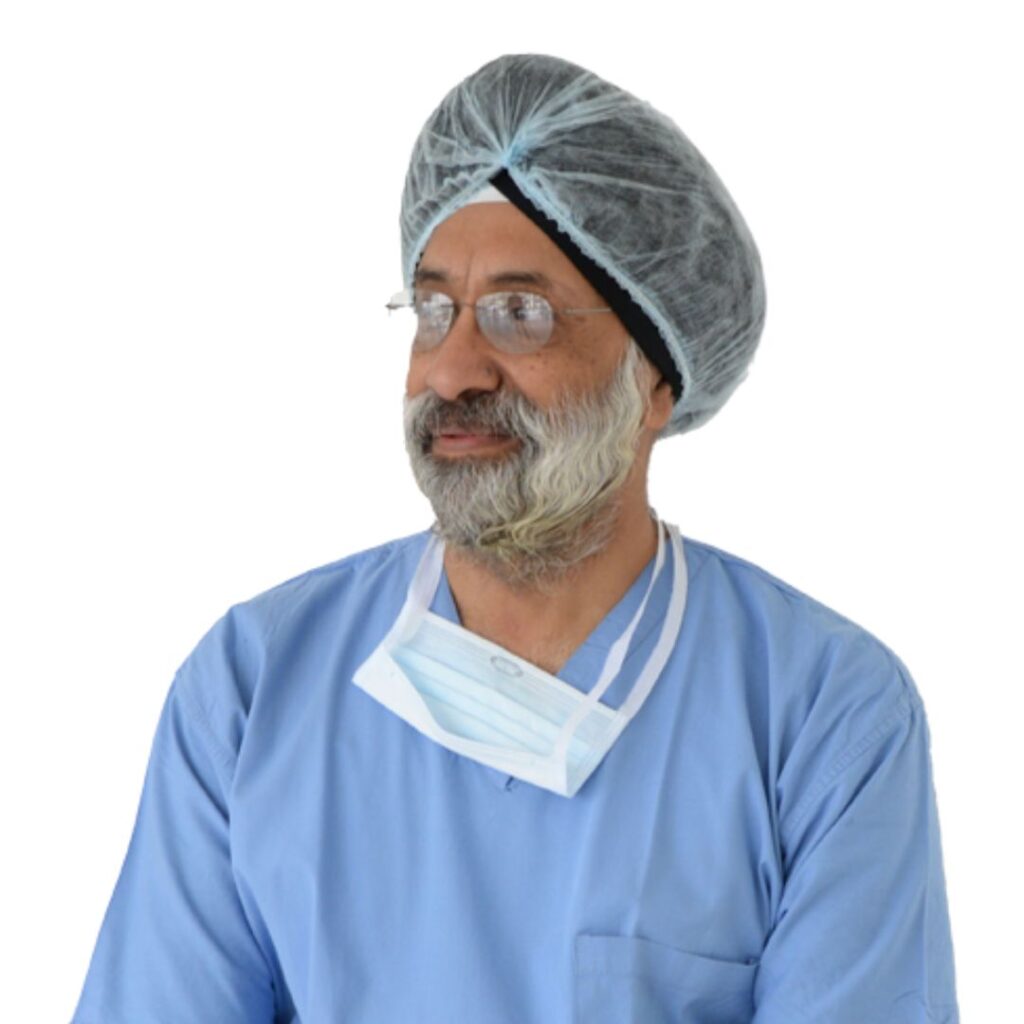
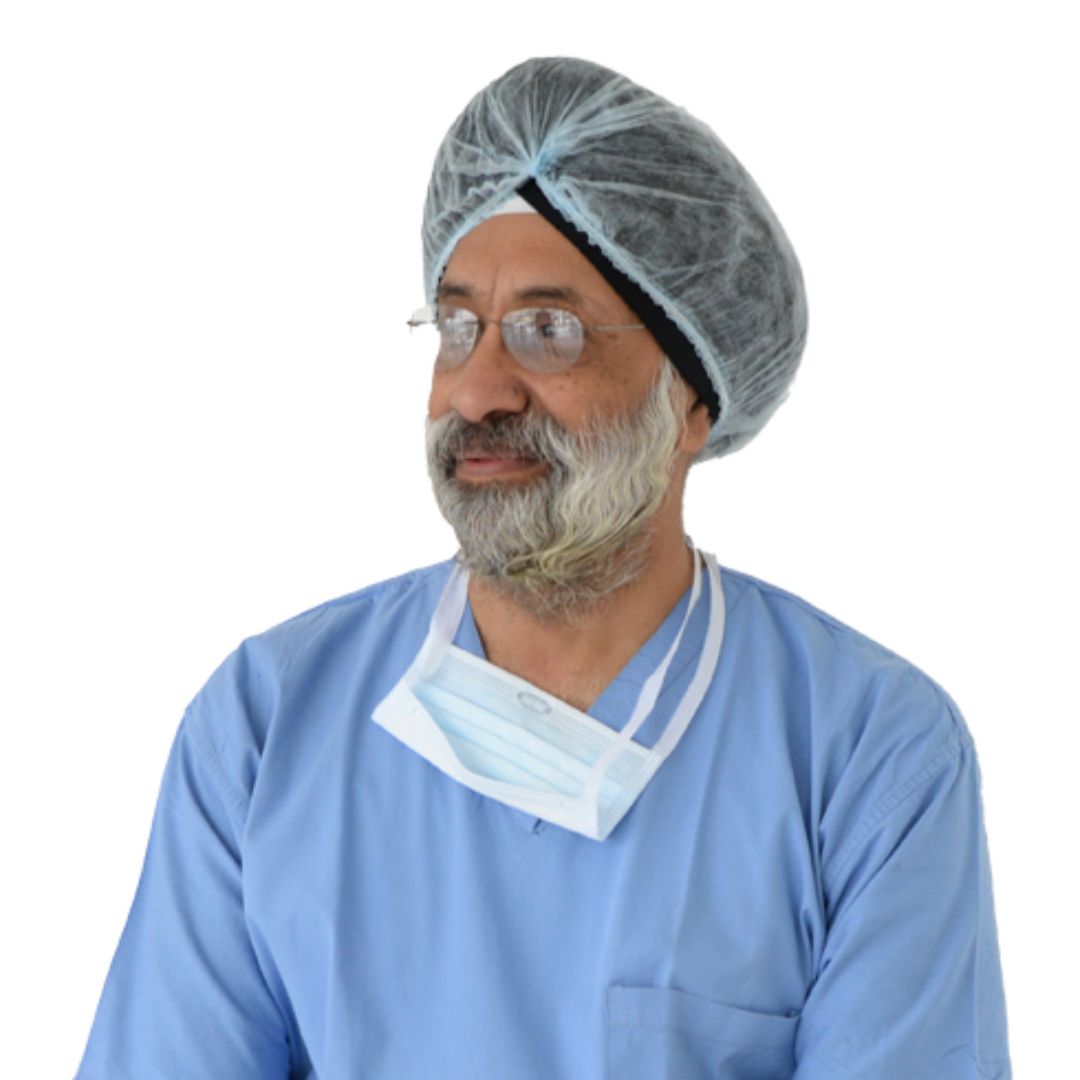
Dr. Varindera Paul Singh (Dr. V. P. Singh) at Medanta
If you’re searching for dr vp singh medanta, you likely need two things right now: clarity and speed. Clarity on whether Dr. Varindera Paul Singh is the right neurosurgeon for your condition—and speed in getting the right consult, imaging review, and next steps.
This page brings together the most useful, patient-friendly information about Dr. V. P. Singh’s role and expertise at Medanta (Gurugram), plus a practical checklist to help you prepare for consultation and decision-making. Dr. Singh is listed as Chairman (Neurosurgery/Neurosciences) at Medanta.
Important note (people-first): This guide is educational and planning-focused. It does not replace medical advice. Final decisions should always be based on your treating team’s evaluation.
Who is Dr. Varindera Paul Singh at Medanta?
Dr. Varindera Paul Singh (often written as Dr. V. P. Singh) is a senior neurosurgeon associated with Medanta – The Medicity, Gurugram, where he is listed as Chairman in Neurosurgery/Neurosciences.
On Medanta’s official profile, he is described with long-standing experience across cranial, spinal, and peripheral nerve neurosurgery, with key interests including:
- Brain tumor surgery
- Cerebrovascular surgery
- Epilepsy surgery
- Radiosurgery
Many patients also find him through listing platforms (like Practo), which include practical details such as clinic hours and consultation fee information.
Clinical expertise: what Dr. V. P. Singh (Dr. Varindera Paul Singh) is known for
Different neurosurgeons develop deeper focus areas over time. In Dr. Singh’s official and directory profiles, these themes appear consistently:
1) Brain tumor surgery (and complex cranial cases)
Brain tumor care is rarely about “one surgery.” It’s about:
- Reading MRI/CT correctly (and sometimes repeating imaging)
- Understanding tumor location (near speech/motor areas vs safer corridors)
- Balancing maximal safe removal with quality-of-life preservation
Medanta’s profile highlights Dr. Singh’s special interest in brain tumor surgery.
2) Cerebrovascular surgery: aneurysm/AVM decision-making
For conditions like intracranial aneurysm or AVM, the most important step is often choosing the right treatment pathway:
- Observation + imaging surveillance (in selected cases)
- Endovascular options (coiling/embolization) via neuro-intervention teams
- Microsurgery (clipping/resection) when appropriate
Medanta’s page notes experience in aneurysm cases and involvement with radiosurgery-based techniques for vascular malformations.
3) Epilepsy surgery & radiosurgery (Gamma Knife context)
For conditions like intracranial aneurysm or AVM, the most important step is often choosing the right treatment pathway:
- Observation + imaging surveillance (in selected cases)
- Endovascular options (coiling/embolization) via neuro-intervention teams
- Microsurgery (clipping/resection) when appropriate
Medanta’s page notes experience in aneurysm cases and involvement with radiosurgery-based techniques for vascular malformations.
When should you consult a neurosurgeon like Dr. V. P. Singh (Dr. Varindera Paul Singh)?
You don’t need to “wait until it’s severe” for neurosurgery opinions. An early review can prevent delays, especially when imaging already shows a structural issue.
Seek urgent evaluation if you have:
- Sudden severe headache (“worst headache of life”), fainting, new confusion
- New weakness, facial droop, speech difficulty
- New seizures (especially adult-onset)
- Rapidly worsening balance, vision changes, or vomiting with headache
Strong reasons to consult soon (even if stable):
- MRI/CT showing brain tumor, aneurysm, AVM, spinal cord compression
- Persistent back/neck pain with numbness/weakness
- Recurring seizures despite medications
- Prior surgery with new symptoms or suspected recurrence
If you already have imaging, you may be able to request an opinion based on reports + scans, then travel only if surgery/procedure is recommended.
How to prepare for a Medanta neurosurgery appointment
The most productive consultations happen when the doctor has the right data and you have the right questions.
Medical records checklist (carry these)
- MRI/CT films in DICOM format (CD/pen drive) + radiology reports
- Discharge summaries (any prior admissions/surgeries)
- Current medication list + allergies
- EEG reports (if seizures)
- Blood thinners history (important for surgical planning)
Any biopsy/histopathology reports (if already operated)
Questions worth asking (clear, practical)
- What is the most likely diagnosis and what else could it be?
- Do I need more tests before deciding?
- Is surgery recommended now, or is monitoring safe?
- What are the top 3 risks in my case (not general)?
- Expected hospital stay, ICU need, and recovery timeline?
- What rehab or follow-up is typical after discharge?
- If I’m traveling internationally, how many days should I plan in India?
Common decision points patients overlook
- Surgery timing: urgent vs planned (and what changes the urgency)
- Team-based care: neurosurgery often involves neuro-anesthesia, neuro-ICU, radiology, rehab
- Outcomes vs goals: symptom relief, seizure control, survival, functional independence
Appointment booking support via MediHelp Global (for India + international patients)
At MediHelp Global (medihelpglobal.com), our role is to reduce delays and confusion—especially for patients traveling from Asia, Africa (including South Africa), and the Americas.
What we can help with (patient-first support)
- Organizing your medical file (scans + reports) for a clean review
- Helping you request appointment slots at Medanta
- Travel planning support (airport pickup guidance, hotel suggestions, caregiver planning)
- In-hospital coordination support as a facilitator (not as a medical decision-maker)
- Post-treatment follow-up planning and remote check-in scheduling
We don’t promise medical outcomes. We focus on smooth coordination so you can focus on care.
Tip for faster scheduling: If you share (1) a short symptom timeline, (2) your latest MRI/CT date, and (3) your passport city/country, it becomes easier to plan a realistic pathway.
Coming to India for neurosurgery: practical guidance for international patients
If you’re traveling for a neurosurgical opinion or procedure, plan around medical reality, not hope.
Travel & stay planning
- Arrive 2–3 days before the first appointment if you need repeat imaging/tests
- Keep 7–14+ days flexible if surgery might be scheduled (varies by condition)
- Bring a caregiver if possible—especially for brain/spine procedures
After surgery: follow-up matters
- Ask for a written discharge plan: wound care, activity restrictions, red flags
- Schedule a follow-up window before you fly back
- Plan remote follow-ups for scans or symptom checks
For international patient support services, many hospitals in India outline processes like visa support and coordination pathways. For example, Amrita Hospital Faridabad provides international patient guidance and services.
Considering another hospital or a second opinion
A second opinion is not “disrespect.” In neurosurgery, it’s often smart—especially when:
- Imaging is borderline (operate vs watch)
- Treatment options differ (endovascular vs open surgery vs radiosurgery)
- The proposed surgery carries high functional risk
- You want confirmation before traveling
Option: Amrita Hospital Faridabad (as requested)
If you’re exploring alternatives, we can also help coordinate consultations at Amrita Hospital Faridabad depending on specialty availability and the nature of your case. Amrita Hospital Faridabad positions itself as a major center with multi-specialty services, and it also supports international patients.
Competitor content structure snapshot (what ranks—and what we add)
Below is the high-level structure competitors use, and how this page improves usefulness:
1) Medanta doctor profile page (official)
Structure observed:
- Overview
- Specialization and expertise
- Milestones
- Articles/media
It includes highlights like experience focus areas and published work.
What we add: patient preparation checklists, consultation questions, international travel planning, and decision-making pitfalls.
2) Practo listing page
Structure observed:
- Basic profile + education
- Clinic location, timings, fee
- Patient stories
- Common Q&A
- Services list, awards, memberships, registration
What we add: clearer intent-based guidance (who should consult, what to bring, how to plan from abroad) + coordination support through MediHelp Global.
Skilled At
- Gamma Knife Radiosurgery
- Arteriovenous Malformation Treatment
- Spinal Decompression and Fusion
- Microsurgical Clipping of Aneurysms
- Epilepsy Surgery
- Brain Tumor Surgery
- Cerebrovascular Surgery
- Epilepsy Surgery
- Radiosurgery
- Spinal Surgery
Education
- MBBS from All India Institute of Medical Sciences, New Delhi, 1982
- MCh in Neuro Surgery from All India Institute of Medical Sciences, New Delhi, 1987
- DNB in Neurosurgery from National Board of Examinations, 1989
Experience
- Chairman, Institute of Neurosciences at Medanta - The Medicity, Gurgaon
- Additional Professor and Unit Head of Neurosurgery at AIIMS, New Delhi
- Senior Consultant Neurosurgeon at VIMHANS, New Delhi
- Senior Consultant Neurosurgeon at Apollo Hospital, New Delhi
Awards
- Diploma of Merit for Excellent Poster at 3rd Asian Conference of Neurological Surgeons, Nagoya, 2000
- Best Paper Award at the 7th Annual Indian Epilepsy Association Conference, 1999
- Best Paper Award at the 4th Annual Indian Epilepsy Association Conference, 1996
Send Us Message
FAQ
1) How do I book an appointment with Dr. V. P. Singh at Medanta?
You can book through Medanta’s official appointment pathway on the doctor’s profile page. If you’re traveling internationally or want help organizing records first, MediHelp Global can assist with coordination.
2) What conditions does Dr. Varindera Paul Singh commonly handle?
His listed interests include brain tumor surgery, cerebrovascular surgery, epilepsy surgery, and radiosurgery, along with broader neurosurgery coverage (cranial, spinal, peripheral nerves).
3) What documents should I carry for a neurosurgery consult?
Bring MRI/CT scans in DICOM format, radiology reports, discharge summaries, current medicines, and any prior surgery/biopsy reports. If seizures are involved, add EEG/video-EEG reports.
4) Is a second opinion normal for brain or spine surgery?
Yes. Because neurosurgical decisions can be high-impact, many patients seek a second opinion—especially if options include observation, endovascular procedures, radiosurgery, or open surgery.
5) Can MediHelp Global help international patients coming from Africa/Asia/America?
Yes—primarily with planning and coordination: organizing records, appointment support, travel guidance, and follow-up planning. We do not replace the hospital’s clinical team or provide medical decisions.
6) If I can’t get a quick slot, what are my options?
Depending on urgency and diagnosis, you can ask for (a) an earlier review based on reports + scans, (b) a second opinion with another senior specialist, or (c) evaluation at another tertiary center (including Amrita Hospital Faridabad if appropriate).
Know More About Dr. Varindera Paul Singh: Click here
Related Doctor: Click here