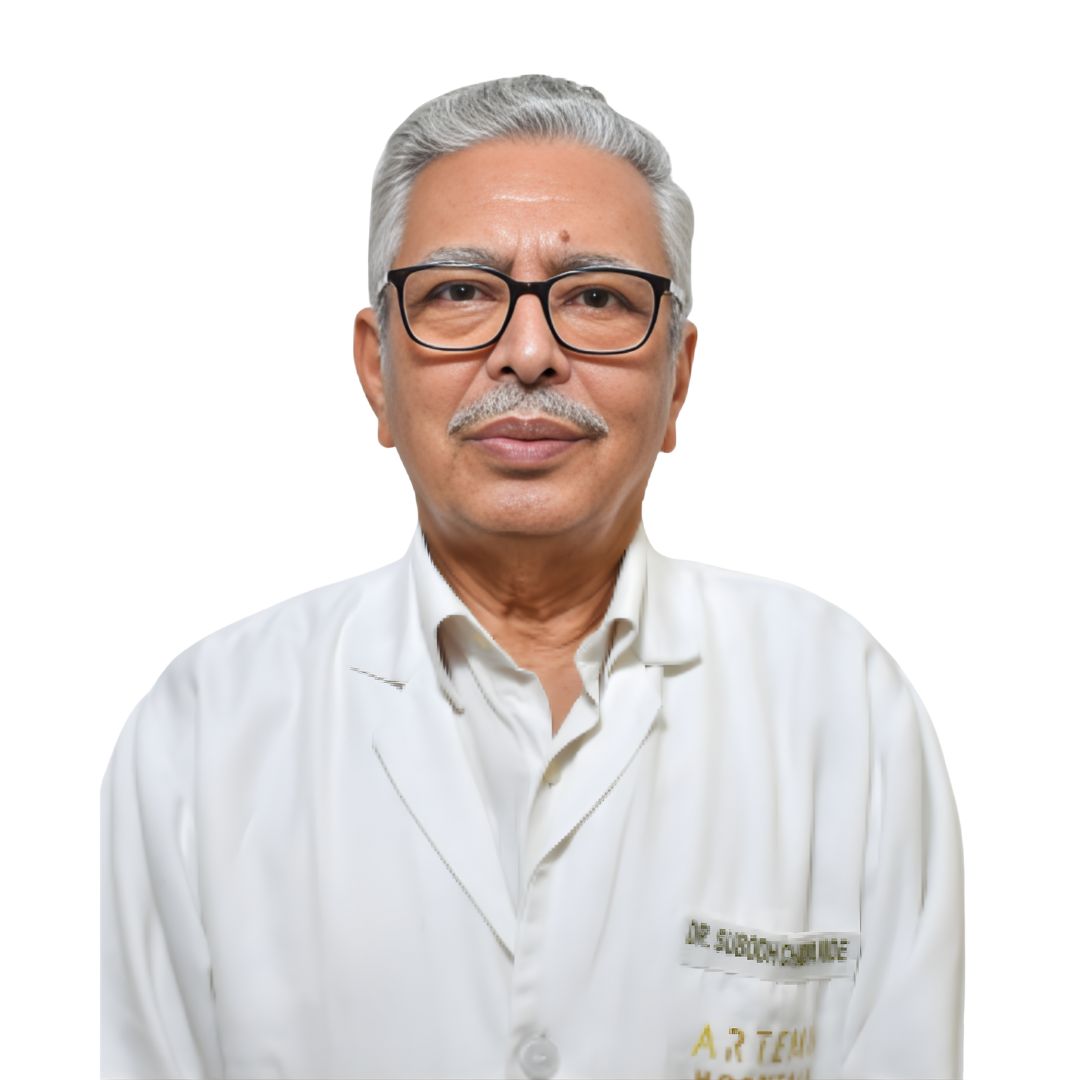
Dr. Subodh Chandra Pande
Chief of Radiation Oncology and Co-Chief of CyberKnife Centre
47 years of overall experience
Works at Artemis Hospitals, Gurgaon
Follow Me
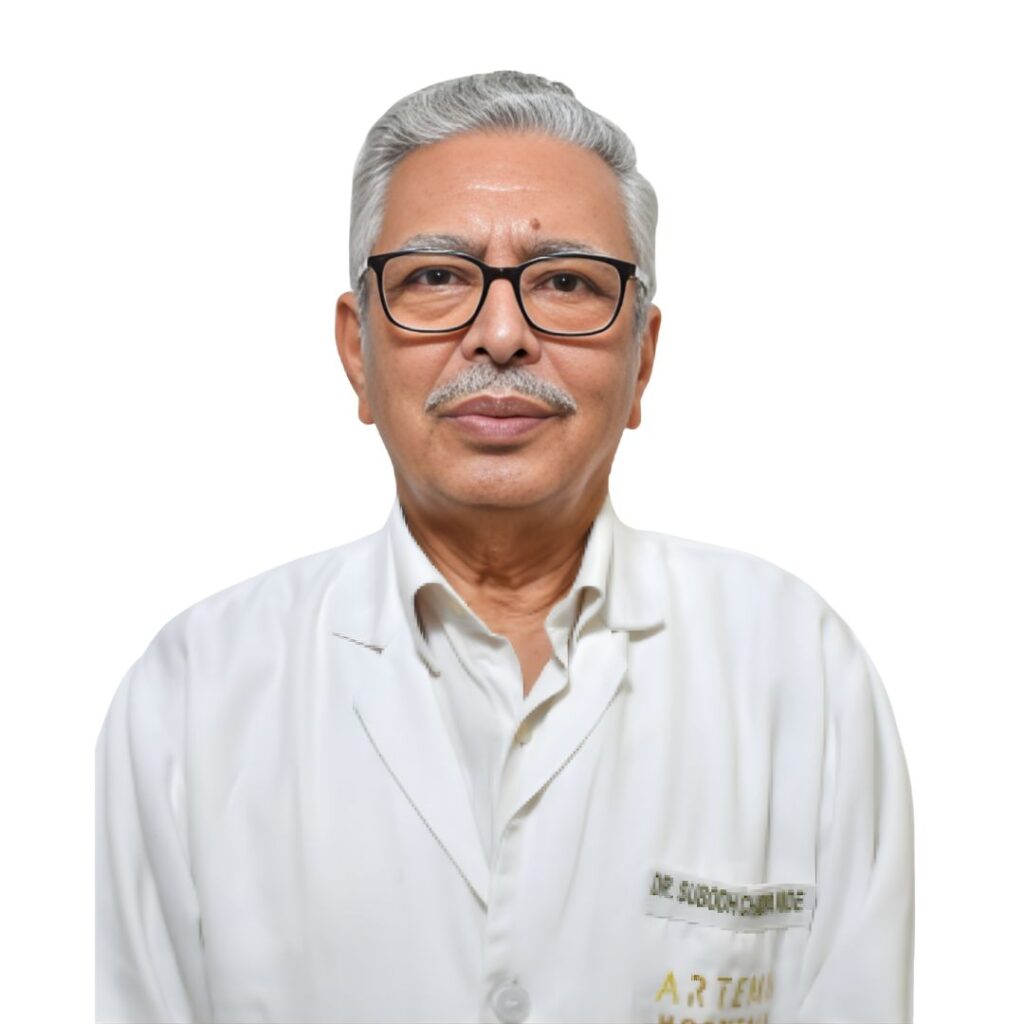
Dr. Subodh Chandra Pande (Dr. Pande): Radiation Oncology
If you’re searching for Dr. Subodh Chandra Pande (Dr. Pande), you likely want two things:
- A clear, verified overview of his radiation oncology background, and
- A practical way to plan your consultation—especially if you’re traveling from Asia, Africa, or the Americas.
Below is a people-first profile and a step-by-step appointment guide designed to help you make confident decisions—without medical jargon overload.
Quick profile (at a glance) of Dr. Subodh Chandra Pande
Publicly listed details
- Name: Dr. Subodh Chandra Pande (often searched as Dr. Pande)
- Specialty: Radiation Oncology
- Designation (as listed): Chief – Radiation Oncology & Co-Chief / Co-Director – CyberKnife Centre (Artemis)
- Location (as listed): Gurugram (Gurgaon), India
- Languages (as listed): English, Hindi, Marathi
Experience: Listed as 4+ decades in radiation oncology on multiple profiles
Clinical focus & procedures (as commonly listed)
Clinical focus areas include:
- Head & neck cancers
- CNS tumours
- Childhood cancers
- Prostate cancers
Procedures/approaches often mentioned: modern teletherapy and brachytherapy, plus advanced planning techniques (e.g., IGRT/IMRT).
Important note (trust): Doctor roles and hospital affiliations can change. We recommend confirming the latest schedule and location at the time of booking.
Why patients look for Dr. Pande (Dr. Subodh Chandra Pande)
Radiation therapy today is not only about “giving radiation.” It’s about precision—delivering the right dose to the tumor while protecting healthy organs. Patients often seek senior radiation oncologists when they need:
- a clear treatment plan across surgery/chemo/radiation steps,
- image-guided precision for difficult tumor locations,
- planning that balances effectiveness with quality of life (swallowing, speech, bladder/bowel function, neurocognition, fertility, etc.).
Public profiles describe Dr. Pande’s long clinical and teaching experience and highlight interest in IGRT and PET scan–based techniques for cancer management.
Cancer types & conditions commonly managed
Below is a patient-friendly breakdown of the commonly listed focus areas and what radiation goals may look like.
Head & neck cancers
Radiation is often used to:
- cure early-stage cancers,
- treat locally advanced disease with chemotherapy,
- reduce recurrence risk after surgery.
Why planning matters: head & neck radiation is highly sensitive because structures are compact—salivary glands, spinal cord, and swallowing muscles. Precision techniques can help reduce side effects while keeping tumor control strong.
CNS tumours (brain/spine)
Radiation may be used:
- after surgery (adjuvant therapy),
- as primary treatment when surgery isn’t possible,
- for recurrence or certain metastases.
Why planning matters: CNS treatment must protect critical areas affecting memory, movement, vision, and hormonal function.
Childhood cancers
Pediatric radiation is a specialized area because children are still developing. Treatment decisions often focus on:
- long-term growth and endocrine effects,
- organ protection,
- coordination with pediatric oncology teams.
Public profiles list childhood cancers as one of the clinical focus areas.
Prostate cancers
Radiation is frequently used for:
- definitive treatment (sometimes with hormone therapy),
- post-surgery recurrence risk reduction,
- targeted treatment to limited metastatic disease (in selected cases).
Why planning matters: bladder, bowel, and sexual function preservation is a key concern; modern image guidance can help.
Techniques you may hear in your consult (explained simply)
When you meet a radiation oncologist, you’ll hear terms that sound technical. Here’s what they usually mean—without the fluff.
IMRT (Intensity Modulated Radiation Therapy)
What it is: radiation beams are shaped and “intensity-adjusted” to conform closely to the tumor.
Why it matters: can reduce dose to nearby organs—useful in head & neck, prostate, and many complex sites.
Dr. Pande’s public profile mentions modern conformal approaches, including IMRT.
IGRT (Image Guided Radiation Therapy)
What it is: imaging done during treatment sessions to confirm the tumor’s position before delivering radiation.
Why it matters: helps account for daily movement (breathing, bladder filling, slight setup variations).
His profiles highlight special interest in IGRT.
Stereotactic radiotherapy / radiosurgery & CyberKnife
What it is: highly focused radiation delivered with sub-millimeter accuracy, often in fewer sessions (depending on case).
Why it matters: can be valuable for certain brain lesions, spine lesions, and selected body targets.
Public listings associate Dr. Pande with a CyberKnife Centre leadership role.
PET-based planning
What it is: PET imaging can help identify metabolically active tumor areas and guide contouring (the “map” used to plan radiation).
Why it matters: can improve targeting in certain cancers where boundaries aren’t obvious on CT/MRI.
This interest is specifically mentioned in public profiles.
Teletherapy vs brachytherapy
- Teletherapy: radiation delivered from a machine outside the body (common daily sessions).
- Brachytherapy: radiation delivered close to or inside the tumor (used in select cancers).
Dr. Pande’s Artemis profile lists teletherapy and brachytherapy procedures.
What to prepare before an appointment
Reports checklist (bring digital + printed if possible)
For the fastest, most accurate opinion, prepare:
- biopsy report / histopathology (and IHC if done)
- imaging: CT/MRI/PET-CT disks + written reports
- surgery notes (if operated), chemo protocol details (if received)
- recent blood tests and renal function
- current medication list + allergies
- a one-page timeline of symptoms and treatments
Pro tip: Put everything in a single folder (Google Drive/Dropbox) so your care team can review it quickly—especially if you’re overseas.
Questions to ask Dr. Pande (or any radiation oncologist)
Use these to get clarity and reduce anxiety:
- What is the goal of radiation in my case—cure, control, symptom relief?
- Which technique is recommended (IMRT/IGRT/SBRT/CyberKnife), and why?
- How many sessions, and what is the expected timeline?
- What side effects are most likely for me—and how do we prevent/manage them?
- What outcomes do you track (tumor control, function, quality of life)?
- What follow-up schedule and scans will be needed?
Common pitfalls to avoid
- Starting radiation without complete staging (key scans missing)
- Not discussing fertility preservation when relevant
- Underestimating logistics: daily sessions require local stay and predictable transport
Ignoring nutrition and dental evaluation (particularly for head & neck)
International patients: how MediHelpGlobal supports you (Asia, Africa, Americas)
At MediHelpGlobal (medihelpglobal.com), our role is to make your journey feel human and organized, not overwhelming. If you’re abroad, you usually need help with three things: speed, clarity, and coordination.
Before you travel: remote triage & plan
We help you:
- share your reports securely for preliminary review,
- understand what additional tests may be needed before final planning,
estimate an on-ground timeline (consult → simulation/planning → treatment start).
On-ground support: coordination and continuity
Depending on your needs, we can assist with:
- booking consultation slots and helping you prepare questions,
- scheduling imaging and labs efficiently,
- help with local logistics (airport pickup, stay planning near hospital, etc.),
ongoing communication so you’re not guessing what happens next.
After treatment: follow-ups & documentation
When you return home, we help you request:
- radiation summary notes,
- follow-up scan plan,
documentation needed for your local oncologist.
Considering hospitals in NCR (including Amrita Hospital Faridabad)
Many international patients ask a practical question: “Where should I take treatment in Delhi-NCR?” There isn’t one perfect answer. The “best” hospital is the one that matches:
- your cancer type and stage,
- required technology (IGRT/IMRT/SRS/SBRT, etc.),
- multidisciplinary coordination (surgery + medical oncology + radiation),
- the treatment timeline you can realistically commit to.
If you’re exploring care at Amrita Hospital, Faridabad, MediHelpGlobal can guide you through:
- how to compare radiation setups and planning workflows,
- which specialist to see first based on your diagnosis,
- whether a second opinion would change the approach.
When a second opinion is especially useful
Consider a second opinion if:
- surgery vs radiation path is unclear,
- the plan involves the brain/spine, pediatric tumors, or re-irradiation,
- you’ve been offered very different treatment lengths between centers,
- you want clarity on side effects and quality-of-life planning.
Considering hospitals in NCR (including Amrita Hospital Faridabad)
If you want to consult Dr. Subodh Chandra Pande (Dr. Pande), here’s the simplest approach:
- Send your diagnosis and reports list (biopsy and scans).
- Tell us your preferred dates and whether you need a remote review first
- We confirm appointment options and share a clear preparation checklist
You arrive with confidence—knowing what questions to ask and what outcomes to expect
Skilled At
- Advanced Radiation Therapy Techniques
- Oncological Research
- Gastrointestinal Cancer Surgery
- Multidisciplinary Cancer Management
- Non-Invasive Cancer Treatments
- Medical Education
- CyberKnife Radiosurgery
- Image-Guided Radiation Therapy (IGRT
- Pediatric Oncology
- Neuro-Oncology
- Stereotactic Radiotherapy
Education
- MBBS from Moti Lal Nehru Medical College, Uttar Pradesh, 1972
- DMRE from Moti Lal Nehru Medical College, Uttar Pradesh, 1975
- MD in Radiotherapy from AIIMS, New Delhi, 1978
Experience
- Chief of Radiation Oncology and Co-Chief of CyberKnife Centre at Artemis Hospitals, Gurgaon
- Consultant Radiation Oncologist at Tata Memorial Hospital, Mumbai
- Senior Consultant in Radiation Oncology at Indraprastha Apollo Hospitals, New Delhi
Awards
- Elected Secretary of the Association of Radiation Oncologists of India, 1996
- Dr. R K Jalota Oration Award, 1998
Send Us Message
FAQ
1) Who is Dr. Subodh Chandra Pande (Dr. Pande)?
Dr. Subodh Chandra Pande is a radiation oncologist whose public profiles list senior leadership roles in radiation oncology and a long clinical background in advanced radiation techniques.
2) What cancers does Dr. Pande commonly treat?
Public profiles list focus areas including head & neck cancers, CNS tumours, childhood cancers, and prostate cancers.
3) What is IGRT and why does it matter?
IGRT (Image Guided Radiation Therapy) uses imaging during treatment sessions to confirm positioning and improve precision—helping protect nearby healthy organs.
4) What reports do I need for a radiation oncology consultation?
Bring biopsy/histopathology, staging scans (CT/MRI/PET-CT as applicable), prior treatment summaries (surgery/chemo), and a medication list. Having digital copies speeds up decision-making.
5) Can MediHelpGlobal help international patients book appointments in India?
Yes. MediHelpGlobal can support appointment coordination, report organization, and on-ground planning for patients traveling from Asia, Africa, and the Americas.
6) Should I take a second opinion before radiation therapy?
A second opinion is helpful when the plan is complex (brain/spine, pediatric, re-irradiation), when treatment options vary across centers, or when you want clarity on side effects and quality-of-life planning.
Know More About Dr. Subodh Chandra Pande: Click here
Related Doctor: Click here