Need professional medical & health Care?
Email : support@medihelpglobal.com

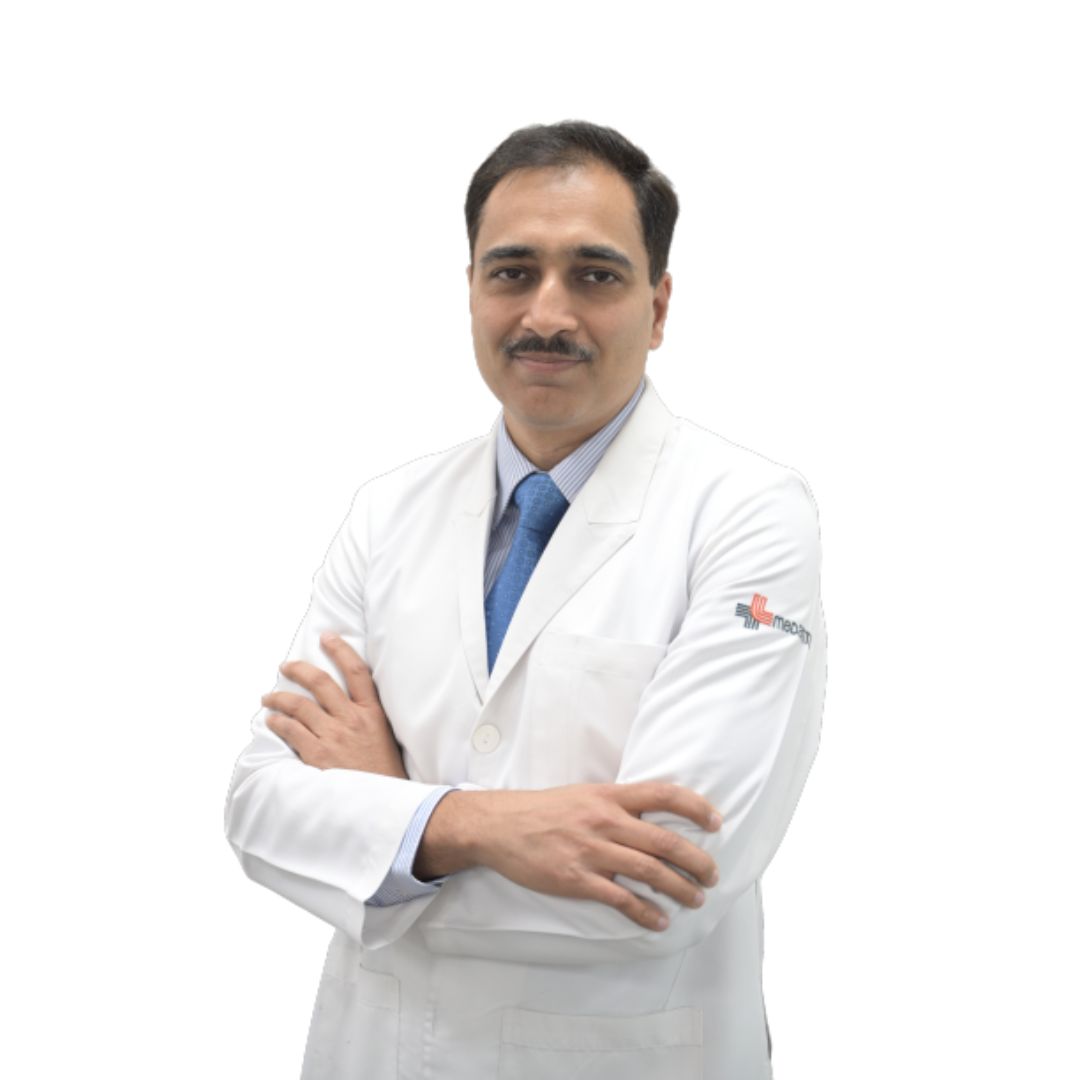
Dr. Sameer Kaushal

Senior Consultant & Head of Ophthalmology

24 years of overall experience
Works at Artemis Health Institute, Gurgaon

Follow Me
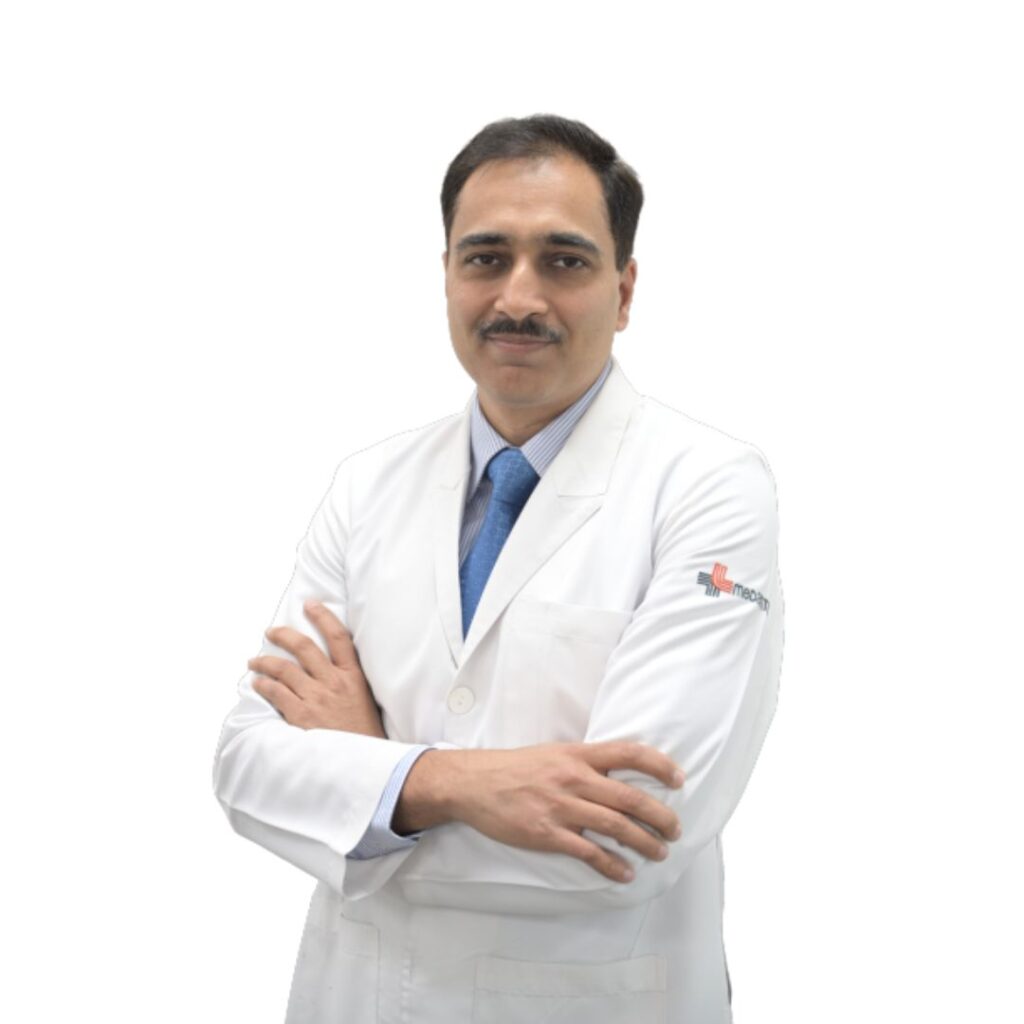
Dr. Sameer Kaushal

Dr. Sameer Kaushal (Eye Surgeon)

If you’re searching for Dr. Sameer Kaushal, you’re likely looking for two things:

  1. a clear, credible overview of his eye-care expertise, and
  2. a simple way to book a consultation—especially if you’re traveling from Asia, South Africa, or the Americas.

This page gives you a practical, patient-friendly profile and a step-by-step appointment pathway through MediHelp Global (medihelpglobal.com), including support when Amrita Hospital Faridabad is the best-fit facility for your broader treatment plan

Quick profile (at a glance) of Dr. Sameer Kaushal

  • Name: Dr. Sameer Kaushal
  • Experience: 11 years
  • Hospital: Artemis Hospitals / Artemis Health Institute
  • Location: Gurugram (Delhi NCR)
  • Designation: HOD – Ophthalmology
  • Languages: English

Special focus: Cornea, Cataract, Refractive Surgery (including LASIK), Glaucoma, Diabetic Retinopathy

About Dr. Sameer Kaushal

Dr. Sameer Kaushal is a highly qualified eye surgeon trained at AIIMS New Delhi, with specialization in Cornea, Cataract, and Refractive Surgery. His work includes treatment of corneal and ocular surface disorders, advanced anterior segment surgeries (such as phaco cataract surgery), and refractive vision correction procedures like LASIK.

AIIMS training & clinical focus

During his training in the Cornea, Cataract and Refractive Surgery Unit at AIIMS, Dr. Kaushal developed expertise in:

  • Corneal disorders and ocular surface disease
  • Anterior segment surgery (including cataract surgery and corneal procedures)

Refractive correction (LASIK and other options)

A practical approach that patients value

For most patients, “best doctor” isn’t just about credentials—it’s about clear explanations, safe decision-making, and realistic expectations. A good consultation should leave you understanding:

  • what your diagnosis actually means,
  • what options you have (including non-surgical choices), and

what outcomes are reasonable for your eye and your lifestyle.

Areas of expertise & treatments of Dr. Sameer Kaushal

Below is a clear view of the conditions and procedures patients commonly consult Dr. Sameer Kaushal for.

Cornea & ocular surface disorders

Corneal and ocular surface problems can cause blurred vision, pain, redness, watering, and light sensitivity. Care may involve medicines, specialized eye drops, protective measures, and when needed—surgery.

Common areas include:

  • Corneal disorders
  • Ocular allergies and dry eyes
  • Ocular surface disorders (where the cornea/tear film is not stable)

Patient tip: Dry eye can mimic “weak eyesight.” A quality evaluation checks tear film and surface health before considering refractive surgery.

Cataract surgery (phaco) + lens options

Cataracts cause clouding of the natural lens and often present as: glare at night, faded colors, and progressive blur.

Dr. Kaushal performs phacoemulsification cataract surgery, where the cloudy lens is removed and replaced with an intraocular lens (IOL). Your consultation typically includes discussion of:

  • lens choice (standard vs lifestyle lenses when suitable),
  • astigmatism correction options, and
  • expected recovery timeline.

Pitfall to avoid: Choosing a lens “because someone else did.” Lens selection should match your eye measurements and daily visual needs

LASIK & refractive surgery (including phakic IOLs)

Many younger patients consult for freedom from glasses. Dr. Kaushal performs LASIK and also works with refractive options like phakic IOLs (an implantable lens option used in select cases).

Your eligibility depends on:

  • corneal thickness and shape,
  • eye power stability,
  • dry eye status, and
  • overall eye health.

Practical rule: A safe refractive plan starts with diagnostics. If LASIK isn’t ideal, alternatives may still achieve your goal safely.

Corneal transplant options (including newer techniques)

For advanced corneal disease or scarring, corneal transplant procedures may be recommended. Dr. Kaushal is familiar with newer advancements such as sutureless corneal transplants and artificial corneas (used in specific situations based on eye condition).

Glaucoma and diabetic retinopathy care

These conditions can threaten vision silently—especially in early stages. Proper management often requires:

  • regular eye pressure checks and optic nerve evaluation (glaucoma),
  • retinal screening and ongoing follow-up (diabetic retinopathy), and

coordinated long-term care, not just one-time treatment.

Pediatric cataract surgery

Children need specialized assessment and careful planning for timing, lens decisions, amblyopia prevention, and follow-ups. Pediatric cataract care is different from adult cataract care—experience matters.

Qualifications, memberships & academic work of Dr. Sameer Kaushal

Qualifications

  • M.D. (Ophthalmology) – Dr. R.P. Centre for Ophthalmic Sciences, AIIMS, New Delhi
  • D.N.B. (Ophthalmology) – National Board of Examination, New Delhi
  • M.B.B.S. – All India Institute of Medical Sciences (AIIMS), New Delhi

Clinical training

Senior Residency at Dr R P Centre, AIIMS — Cornea, Cataract and Refractive Surgery Unit

Memberships

  • American Academy of Ophthalmology
  • Delhi Ophthalmological Society
  • All India Ophthalmological Society

Research & teaching

Dr. Kaushal has contributed to ophthalmology through international publications, co-authored books (including topics like LASIK and corneal transplantation), and teaching roles at national workshops on cornea.

Who should consider consulting Dr Sameer Kaushal? (Common scenarios)

You may consider a consultation if you:

  • have cataract symptoms (glare, blur, frequent prescription changes)
  • want LASIK or other refractive surgery to reduce dependence on glasses
  • have recurrent redness, pain, or suspected corneal disease
  • have glaucoma (or risk factors such as high eye pressure/family history)
  • have diabetes and need retina screening for diabetic eye disease
  • were advised a corneal transplant or want a second opinion

need pediatric cataract guidance for a child in the family

What to expect: consultation → tests → treatment plan

A good eye consultation is structured, not rushed. Typically, you can expect:

Typical diagnostic tests

Depending on your complaint, tests may include:

  • refraction (power check) and vision measurement
  • slit-lamp exam (front of the eye)
  • eye pressure measurement
  • corneal topography (important for LASIK planning)

retinal exam (especially for diabetes and glaucoma evaluation)

Decision-making: benefits, risks, alternatives

For surgical decisions (LASIK, cataract, corneal procedures), a responsible plan includes:

  • benefits and realistic outcomes
  • possible side effects/risks
  • alternatives (including non-surgical options)
  • recovery timeline and follow-up schedule

What you should bring: old prescriptions, prior reports, list of medicines, and any history of diabetes/hypertension.

International patients: how MediHelp Global supports you

If you’re coming from Asia, South Africa, or the Americas, the biggest stress points are usually: finding the right specialist, aligning timelines, and managing logistics. That’s where MediHelp Global helps.

Pre-travel medical review & scheduling

We help you organize key reports and symptoms so your first visit is meaningful. This can reduce back-and-forth and improve clarity on:

  • whether you need surgery or only evaluation,
  • How many days should you plan in India, and
  • What tests are likely required?

Help with travel planning (as needed)

Based on availability, we can guide you through:

    • documentation requirements for hospital appointments,
    • stay planning near the hospital, and
    • interpreter/attendant support coordination (when available).

Coordination with hospitals (including Amrita Hospital Faridabad)

While this page focuses on Dr. Kaushal’s profile and care at Artemis, some patients also need broader hospital coordination (multi-specialty evaluation, diabetes management, cardiac clearance before surgery, etc.). In such cases, Amrita Hospital Faridabad may be part of the care pathway depending on clinical needs and your preferences.

How to book an appointment (step-by-step)

  1. Share your concern (blurred vision, cataract diagnosis, LASIK interest, glaucoma, diabetes eye screening, or corneal issue).
  2. Send prior reports (if any): refraction, topography, OCT/retina reports, eye pressure readings, and blood sugar history (for diabetic patients).
  3. Get an appointment plan: recommended consultation type, expected tests, and estimated time in India.
  4. Confirm schedule: clinic visit timing and any pre-visit instructions (e.g., don’t wear contact lenses for a certain period before corneal scans).
  5. Consultation and decision: receive a written plan (treatment steps, follow-ups, and precautions).


  6. Post-consult support: assistance with follow-up scheduling and travel-safe aftercare planning.

Why choose MediHelp Global to coordinate your eye care?

  • People-first coordination: We focus on clarity—what you need, why you need it, and what can wait.
  • International patient readiness: We plan for time zones, travel windows, and report preparation.
  • Hospital pathway support: When you need multi-specialty clearance or related care, we help you navigate options, including Amrita Hospital, Faridabad, when appropriate.
  • Comfort and professionalism: friendly communication, a professional process, and practical next steps.

Skilled At

Education

Experience

Awards

Send Us Message

    FAQs

    1) Is Dr Sameer Kaushal a LASIK specialist?

    Yes—his specialty includes refractive surgery, and he performs LASIK as well as refractive options like phakic IOLs for select candidates. Eligibility depends on corneal measurements, dryness, and overall eye health.

    He is associated with Artemis Hospitals / Artemis Health Institute in Gurugram (Delhi NCR).

    Often yes. Many patients are evaluated for both during a structured eye exam, especially if there’s glare, blurred vision, high eye pressure, diabetes, or family history of glaucoma.

    Bring previous eye reports, a list of medicines, and systemic history (diabetes, blood pressure). If you contact MediHelp Global in advance, we help you organize reports and plan the right appointment type for your timeline.

    A decision is usually based on corneal thickness/shape, prescription range, tear film quality, and lifestyle needs. A diagnostic workup (especially corneal topography and dry-eye evaluation) helps determine the safest option.

    No. We coordinate based on clinical fit and your preferences. If your plan benefits from broader multi-specialty support, we may also coordinate with centers like Amrita Hospital Faridabad.

    Know More About Dr. Sameer Kaushal: Click here

    Related Doctor: Click here

    Author

    • I am professional Medical Tourism Expert working since last 15 Years.