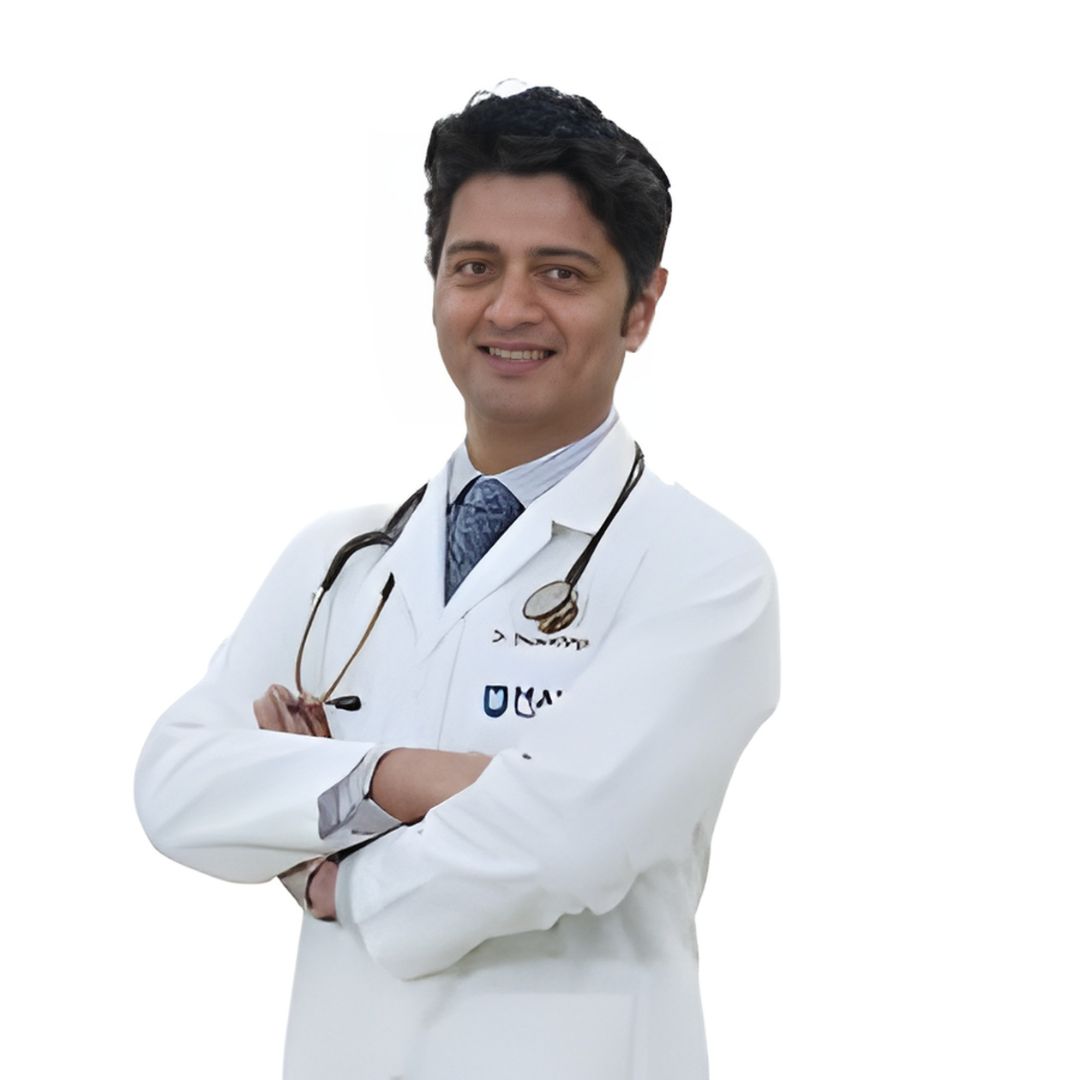
Dr. S. M. Shuaib Zaidi
Senior Consultant Surgical Oncologist
29 years of overall experience
Works at Indraprastha Apollo Hospitals, New Delhi

Follow Me
Dr. S. M. Shuaib Zaidi (Dr Shuaib Zaidi) – Surgical Oncologist | Appointment Help
If you’re searching for Dr Shuaib Zaidi (also listed as Dr. S. M. Shuaib Zaidi / Dr. S. M. Shuaib Zaidi), you’re likely looking for three things:
- a trusted overview of his surgical oncology expertise,
- where to consult, and
- the fastest, safest way to plan your appointment—especially if you’re traveling from Asia, Africa, the Middle East, Europe, or the Americas.
At MediHelp Global (medihelpglobal.com), we help patients and families navigate doctor appointments, medical records review, and end-to-end care coordination in India, including support around leading hospitals (such as Amrita Hospital, Faridabad) based on the doctor’s availability and the best clinical fit.
Quick profile snapshot
Here’s a high-confidence summary based on public listings:
- Name: Dr. S. M. Shuaib Zaidi (Dr Shuaib Zaidi)
- Specialty: Surgical Oncology (cancer surgery)
- Where he is listed:
- Max Healthcare listing shows him as Principal Director & Unit Head – Surgical Oncology (Noida, Sector 128)
- Apollo 24|7 listing shows him as a Surgical Oncologist at Apollo Hospitals Indraprastha, Delhi
- Experience (public listings vary): Apollo 24|7 lists 23+ years ; Max listing highlights 27+ years
Because doctors’ roles can change, MediHelp Global can confirm the latest clinic location and available slots before you travel.
What Dr Shuaib Zaidi treats (surgical oncology focus)
Surgical oncologists handle cancers where an operation is part of the treatment plan—sometimes as the main treatment, and often combined with chemotherapy, radiation, targeted therapy, or immunotherapy.
Thoracic cancers: lung, oesophagus, mediastinal/thymic
Dr. Zaidi’s Max profile highlights interests including esophageal, lung, mediastinal & thymic cancer surgery.
These cases often require careful staging (PET-CT/CT, biopsy), pulmonary function testing, and a multidisciplinary plan.
You may want a thoracic surgical oncology consult if you have:
- a lung mass or confirmed lung cancer requiring resection
- oesophageal cancer needing surgical evaluation
mediastinal tumors (e.g., thymic lesions) needing operative assessment
GI & HPB cancers: stomach, colon/rectum, liver/pancreas pathways
Max also lists gastrointestinal and hepatopancreatobiliary (HPB) surgical oncology interests.
In GI/HPB cancers, “good surgery” often depends on:
- correct staging (local vs. metastatic)
- tumor resectability and vascular involvement
nutritional optimization and prehabilitation
Breast, head & neck, and gynecologic cancers (surgical planning)
Max highlights breast-conserving surgery, head & neck cancer, and gynecologic cancer among areas of interest.
If you’re seeking a second opinion, the key is to confirm:
- tumor stage and subtype (especially in breast cancers)
- the need for neck dissection/reconstruction planning (head & neck)
fertility/organ-sparing options where appropriate (case-dependent)
Approach to care: when surgery helps and what to expect
Your first visit: how surgical oncologists decide the plan
A high-quality surgical oncology consultation typically includes:
- Diagnosis confirmation: pathology/biopsy reports, histology, markers
- Staging review: PET-CT/CT/MRI results, node involvement, metastasis check
- Fitness assessment: heart/lung function, labs, nutrition, anesthesia clearance
- MDT planning: many hospitals use a multidisciplinary tumor board approach
Outcome of the first visit (what you should expect):
- whether surgery is recommended now, after chemo/radiation, or not recommended
- the type of operation, expected hospital stay, and possible complications
a timeline (and what must happen before surgery)
Minimally invasive/robotic surgery: where it fits (and where it doesn’t)
Public profiles associated with Dr. Zaidi emphasize robotic surgery and advanced thoracic/GI procedures.
For patients, the most helpful way to think about robotic/minimally invasive surgery is:It can help. when:
- the cancer is resectable and anatomy allows safe, minimally invasive access
- the surgical team has strong outcomes and case volume
It may not be ideal when:
- tumors are very bulky or invading critical structures
- there is extensive disease where another approach is safer
- you need complex reconstruction requiring open surgery
The best question to ask is not “robotic vs open,” but
“Which approach gives me the safest complete cancer removal with the best recovery for my stage?”
Recovery & follow-up basics (practical)
Recovery varies by cancer type and operation, but most patients benefit from:
- early mobilization (walking), breathing exercises, and a pain control plan
- nutrition support (especially in oesophageal/GI surgeries)
clear follow-up schedule for pathology results + next treatment steps
Hospitals & consultation options (India + international)
In-person appointment pathway (India)
If you’re in India (or arriving soon), a typical pathway is:
- Share your reports for a pre-visit review (so you don’t repeat tests)
- Book the clinic appointment at the listed hospital location
- Plan same-week tests if needed (labs, imaging, anesthesia review)
- Discuss surgery date only after staging and fitness review
Max Healthcare’s listing places Dr. Zaidi in Noida (Sector 128).
Online second opinion pathway (international)
If you’re outside India, an online consult can help you:
- confirm diagnosis and stage
- understand whether surgery is recommended
- plan travel timing and required tests
- avoid delays caused by missing or incomplete pathology
Apollo 24|7 lists languages including English and Hindi (and other languages).
(For international patients, MediHelp Global can also arrange a medical interpreter if needed.)
How MediHelp Global supports you (Amrita Hospital Faridabad + other options)
Many international patients don’t just need a doctor—they need a clear, coordinated process.
Here’s how MediHelp Global helps:
Records review + best-fit hospital mapping
We start by reviewing:
- biopsy/pathology reports
- PET-CT/CT/MRI files (DICOM if available)
- previous treatment summaries
- current symptoms and medical history
Then we help match you to:
- the most appropriate specialist and hospital setup
- the fastest realistic appointment pathway
- a plan that avoids duplicate tests
Note: Doctor availability and hospital affiliation can change. We verify the latest scheduling and location before confirming travel.
Cost estimate coordination + travel support
We can help you obtain:
- an estimated care plan and cost range based on your case complexity
- guidance on timelines (consult → tests → surgery → discharge)
- support documents for travel planning (case-dependent)
Continuity of care after you return home
For patients from Asia, South Africa, and the Americas, follow-up often happens locally. We help you plan:
- post-op checkups (tele-follow-up when appropriate)
- chemotherapy/radiation coordination in your home country
- a clean summary of treatment for your local oncologist
How to prepare: documents, questions, and common pitfalls
Reports to share (simple checklist)
Bring or upload:
- pathology/biopsy report (+ blocks/slides if re-review needed)
- PET-CT/CT/MRI reports and images
- endoscopy/bronchoscopy/colonoscopy reports (if relevant)
- blood tests, ECG/ECHO, pulmonary function test (if available)
- treatment history (chemo/radiation cycles, surgeries, medications)
Questions to ask Dr Shuaib Zaidi (or any surgical oncologist)
- What is my exact stage and how confident are we (what’s missing)?
- Is surgery first, or do I need chemo/radiation first—and why?
- What operation are you recommending, and what is the goal: cure, control, or symptom relief?
- What are the top complications for my case, and how are they managed?
- How long is the hospital stay and typical recovery timeline?
What will you need from me to optimize outcomes (nutrition, breathing exercises, quitting smoking, diabetes control)?
Pitfalls to avoid (that cost time and money)
- Traveling before records review (leads to repeat scans and delays)
- Missing biopsy details (subtype/markers)
- Choosing surgery date before completing staging
- Comparing doctors only on “years of experience” rather than case-fit + plan clarity
Next steps: book a consult with MediHelp Global
If you want to consult Dr. S. M. Shuaib Zaidi, MediHelp Global can help you:
- verify the current practice location and available appointments
- organize your medical records for a stronger first consult
- plan an efficient on-ground schedule if you’re traveling to India
Suggested CTA (on your page):
“Share your reports → Get appointment options → Plan consult (online or in-person)”
Skilled At
- Robotic Esophagectomy
- Head and Neck Tumor Surgery
- Gastrointestinal Cancer Surgery
- Robotic Lobectomy
- Breast Cancer Management
- Head and Neck Cancers
- Breast Cancer
- Lung and Esophageal Cancers
- Gastrointestinal Malignancies
- Robotic and Minimally Invasive Surgery
Education
- MBBS from University of Delhi, 1995
- DNB in General Surgery from National Board of Examination, 2002
- MCh in Surgical Oncology from The Tamil Nadu Dr. M.G.R. Medical University, Chennai, 2005
Experience
- Senior Consultant Surgical Oncologist at Indraprastha Apollo Hospitals, New Delhi

- Performed first robotic esophagectomy and lobectomy for esophageal and lung cancer in Delhi, 2011
Awards
- Recognized for pioneering robotic surgeries in Delhi
Send Us Message
FAQ
1) Which hospital does Dr. S. M. Shuaib Zaidi practice at?
Public listings show Dr. Zaidi associated with Max Healthcare (Noida, Sector 128) and also listed on Apollo 24|7 as a surgical oncologist at Apollo Hospitals Indraprastha, Delhi . Because affiliations can change, MediHelp Global can confirm the latest availability before you book.
2) What cancers does Dr Shuaib Zaidi commonly treat as a surgical oncologist?
His Max listing highlights interests including oesophageal, lung, mediastinal/thymic cancers, GI/HPB cancers, and breast, head & neck, and gynecologic cancers, along with robotic surgery.
3) Can international patients get an online second opinion before traveling?
Yes. Many patients use an online consult to confirm staging, understand surgical options, and plan required tests—so travel is more efficient and decisions are clearer.
4) What documents are needed to book a surgical oncology consultation?
Most patients should share biopsy/pathology, imaging (PET-CT/CT/MRI), endoscopy reports (if relevant), and a short treatment summary. If anything is missing, a coordinator can help you create a simple checklist.
5) How soon can surgery be planned after consultation?
It depends on staging completeness, fitness evaluation, and whether chemo/radiation is recommended first. A good consultation ends with a timeline and a “what needs to happen next” list.
6) Does MediHelp Global help with hospital selection (e.g., Amrita Hospital Faridabad)?
Yes. We support international patients with care coordination, and can help identify the best-fit hospital pathway (including Amrita Hospital Faridabad) based on the case needs and doctor availability.