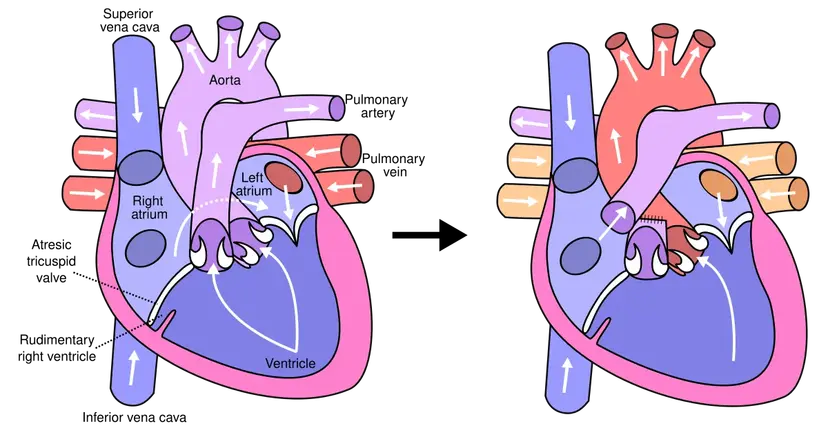
The hemi Fontan procedure is a specialized heart surgery used to treat children born with complex congenital heart defects that result in only one functioning ventricle. It forms part of a staged surgical strategy designed to improve blood circulation and oxygen delivery throughout the body.
In a normal heart, two ventricles pump blood—one sends blood to the lungs and the other sends oxygen-rich blood to the body. However, in certain congenital heart defects, only one ventricle develops properly. The Fontan circulation system, which includes the Glenn and Fontan procedures, helps compensate for this condition.
Advanced cardiac centers such as Amrita Hospital Faridabad provide comprehensive congenital heart treatment, helping families from Asia, Africa, and the Americas access specialized pediatric cardiac surgery.
What Is the Fontan Procedure?
The Fontan procedure is the final stage of surgery for children with single-ventricle heart defects. It creates a new circulation pathway so that oxygen-poor blood from the body flows directly to the lungs without passing through the heart.
This allows the single functioning ventricle to focus solely on pumping oxygen-rich blood to the body.
By redirecting blood flow, the Fontan operation improves oxygen levels and reduces strain on the heart.
What Is the Hemi Fontan Procedure?
The hemi Fontan procedure is a variation of the bidirectional Glenn procedure and is often considered part of the second stage in single-ventricle heart surgery.
During this operation:
Blood from the upper body is redirected directly to the lungs.
The superior vena cava is connected to the pulmonary arteries.
This reduces the workload on the single functioning ventricle.
The hemi Fontan prepares the heart for the final Fontan completion surgery, which redirects blood from the lower body as well.
Understanding the Glenn–Fontan Surgical Pathway
Treatment for single-ventricle heart defects typically occurs in three stages.
Stage 1: Norwood Procedure or BT Shunt
Performed shortly after birth, this surgery stabilizes blood circulation and ensures blood can reach both the lungs and the body.
Stage 2: Glenn or Hemi Fontan
Usually performed between 3 and 6 months of age, this surgery directs blood from the upper body to the lungs.
Stage 3: Fontan Completion
Performed between 2 and 5 years of age, this surgery completes the circulation pathway by directing blood from the lower body to the lungs.
Conditions Treated With the Fontan Procedure
The Fontan operation is used to treat several congenital heart conditions involving single-ventricle physiology.
Common conditions include:
Hypoplastic left heart syndrome
Tricuspid atresia
Pulmonary atresia
Double inlet left ventricle
Unbalanced atrioventricular canal defects
Severe Ebstein anomaly
These conditions prevent normal blood circulation through the heart.
When Is the Fontan Surgery Performed?
The Fontan procedure is usually performed when a child is between 2 and 5 years old.
Before surgery, doctors evaluate several factors:
Heart function
Lung blood pressure
Oxygen levels
Overall health
These evaluations help determine whether the child is ready for Fontan completion.
Step-by-Step Hemi Fontan Procedure
The hemi-Fontan surgery is performed by pediatric cardiothoracic surgeons under general anesthesia.
Preoperative Evaluation
Before surgery, doctors perform tests such as:
Echocardiography
Cardiac catheterization
Electrocardiogram
CT or MRI scans
These tests help surgeons understand the child’s heart anatomy.
Creating the Fontan Circulation
During surgery:
The chest is opened through a surgical incision.
The child is placed on a cardiopulmonary bypass machine.
The surgeon redirects blood flow from the superior vena cava.
Redirecting Blood Flow to the Lungs
Blood from the upper body is connected directly to the pulmonary arteries.
This allows oxygen-poor blood to flow to the lungs without passing through the heart.
The surgery typically takes 4–5 hours.
Types of Fontan Procedures
Several variations of the Fontan procedure exist depending on the patient’s heart anatomy.
Fenestrated Fontan Procedure
This version includes a small opening that allows a controlled amount of blood to bypass the lungs. It helps reduce pressure in the circulation during recovery.
Modified Fontan Procedure
Modern techniques often involve extracardiac conduits that improve blood flow efficiency and reduce complications.
Benefits of the Fontan Procedure
The Fontan procedure offers significant benefits for children with single-ventricle heart defects.
These benefits include:
Improved oxygen levels
Reduced workload on the heart
Better circulation efficiency
Increased survival and quality of life
Many children who undergo Fontan surgery can participate in daily activities and lead active lives.
Fontan Procedure Risks and Complications
Although Fontan surgery has significantly improved survival, complications can occur.
Possible complications include:
Heart rhythm abnormalities
Blood clots
Liver problems
Fluid buildup in the lungs
Protein-losing enteropathy
Fontan circulation failure
Regular cardiology follow-ups are essential to detect and manage these issues.
Recovery After Fontan Surgery
After surgery, children usually spend time in the pediatric intensive care unit (PICU) for monitoring.
Typical recovery includes:
Hospital stay of 7–13 days
Gradual return to activity
Medication management
Regular cardiac monitoring
Parents receive detailed instructions on wound care, medications, and follow-up visits.
Long-Term Outlook After Fontan Procedure
The long-term outlook for patients who undergo Fontan surgery has improved dramatically.
Studies show that:
Most patients survive 10 years or longer after surgery
Many individuals live 30 years or more
Children can attend school, play, and participate in moderate physical activities
However, lifelong cardiology monitoring is essential.
Advanced Congenital Heart Surgery at Amrita Hospital Faridabad
Children with complex congenital heart defects require specialized medical expertise.
Amrita Hospital Faridabad offers advanced pediatric cardiac surgery supported by experienced congenital heart specialists and modern medical technology.
Through MediHelp Global, international patients receive assistance with:
Medical consultations
Treatment planning
Travel and visa support
Hospital coordination
Post-surgery follow-up care
Our mission is to help families access world-class heart treatment with compassionate guidance.
FAQ
What is the hemi Fontan procedure?
The hemi Fontan procedure is a surgical stage in the treatment of single-ventricle heart defects where blood from the upper body is redirected directly to the lungs.
What is the difference between Glenn and Fontan procedures?
The Glenn procedure redirects blood from the upper body to the lungs, while the Fontan procedure completes the circulation by redirecting blood from the lower body as well.
What conditions require the Fontan procedure?
Conditions such as hypoplastic left heart syndrome, tricuspid atresia, and pulmonary atresia often require Fontan surgery.
How long does Fontan surgery take?
The surgery typically takes 4 to 5 hours, followed by monitoring in intensive care.
What is the life expectancy after a Fontan procedure?
Many patients live 30 years or longer, although lifelong cardiac monitoring is required.