Bariatric Surgery: Complete Guide on Types, Costs, Risks, and Recovery
Introduction to Bariatric Surgery
What is Bariatric Surgery?
Bariatric surgery, also known as weight-loss surgery, involves altering the digestive system to help reduce body weight. Procedures may limit food intake, reduce nutrient absorption, or both. Bariatric surgery is often considered when diet and exercise fail to achieve sustainable weight loss, or when obesity leads to serious health complications.
Why Bariatric Surgery is Performed
The surgery is primarily performed to achieve significant weight loss and reduce the risk of life-threatening obesity-related conditions such as:
Type 2 diabetes
Heart disease and stroke
High blood pressure
Sleep apnea
Certain cancers
Nonalcoholic fatty liver disease (NAFLD) and steatohepatitis (NASH)
Who Qualifies for Bariatric Surgery?
Candidates typically have:
BMI ≥ 40 (extreme obesity)
BMI 35–39.9 with serious health conditions
In select cases, BMI 30–34 with severe obesity-related health problems
Candidates must undergo an extensive screening process, commit to lifestyle changes, and often participate in long-term follow-up care.
Types of Bariatric Surgery Procedures
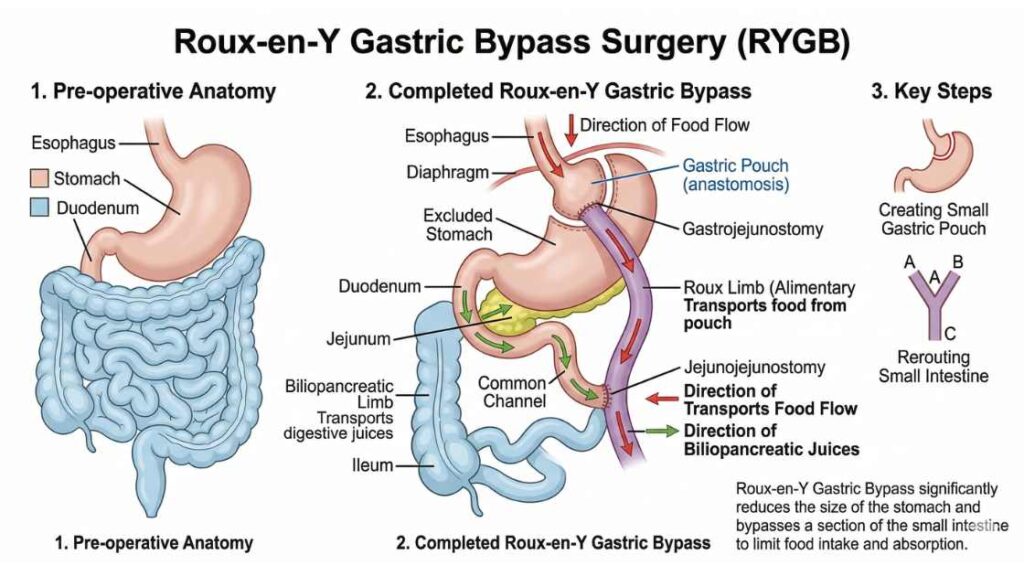
Roux-en-Y Gastric Bypass
The most common gastric bypass procedure. It creates a small stomach pouch and reroutes the small intestine, reducing food intake and nutrient absorption. It is generally irreversible but offers substantial weight loss.
Sleeve Gastrectomy
Removes approximately 80% of the stomach, leaving a tube-shaped pouch. Benefits include reduced appetite due to lower ghrelin levels and a shorter hospital stay compared to bypass surgery.
Biliopancreatic Diversion with Duodenal Switch (BPD/DS)
A two-part surgery combining sleeve gastrectomy and intestinal rerouting. Highly effective for weight loss but carries higher risks of malnutrition and vitamin deficiencies.
Single-Anastomosis Duodeno-Ileal Bypass with Sleeve Gastrectomy (SADI-S)
Similar to BPD/DS, this two-step procedure reroutes food through a shorter segment of the small intestine, limiting absorption and promoting weight loss.
Preparation for Bariatric Surgery
Pre-Surgery Screening and Medical Evaluation
Candidates must undergo lab tests, imaging, and overall health assessments to ensure surgical readiness.
Most bariatric surgeries are performed laparoscopically, allowing faster recovery. Hospital stay usually ranges from 2–5 days depending on the procedure.
Diet Progression After Surgery
Days 1–2: liquids only
Weeks 1–3: pureed or soft foods
Gradual return to regular foods with portion control
Physical Activity and Lifestyle Changes
Long-term success depends on regular exercise, healthy eating habits, and follow-up medical care.
Bariatric Surgery Costs and Insurance Coverage
Cost of Bariatric Surgery in India and Worldwide
India: ₹2.5–6 lakhs depending on the city and hospital
USA: $15,000–$25,000 including hospital and post-op care
Insurance Options
Some policies cover bariatric surgery if medically necessary. Check with your provider for eligibility and coverage specifics.
Expected Results and Success Rates
Weight Loss Outcomes
Patients may lose 50% or more of excess weight within 2 years, depending on surgery type and lifestyle adherence.
Improvements in Health Conditions
Reduced blood pressure and cholesterol
Resolution of type 2 diabetes
Improved sleep apnea
Alleviated joint pain and improved mobility
When Bariatric Surgery Doesn’t Work
Weight loss may stall or patients may regain weight due to:
Poor adherence to dietary and lifestyle guidelines
Unresolved psychological or hormonal issues
Surgical complications or anatomical variations
Follow-up care and regular consultations are essential for sustained results.
FAQ
What is the difference between gastric bypass and sleeve gastrectomy?
Gastric bypass reroutes the intestines and reduces absorption; sleeve gastrectomy removes a portion of the stomach but doesn’t reroute intestines.
How much does bariatric surgery cost in India?
Costs typically range from ₹2.5–6 lakhs, depending on city and hospital.
Who is eligible for bariatric surgery?
Individuals with BMI ≥ 40 or BMI 35–39.9 with serious obesity-related health conditions.
How long is the recovery period?
Initial recovery in the hospital takes 2–5 days; full lifestyle adjustment can take several months.
Will I regain weight after bariatric surgery?
Weight regain is possible if recommended lifestyle changes are not maintained.